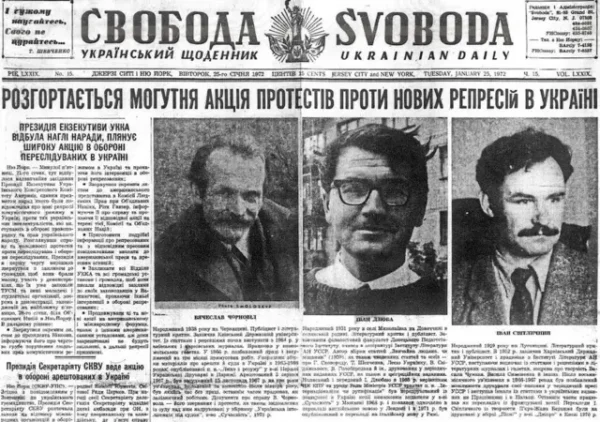



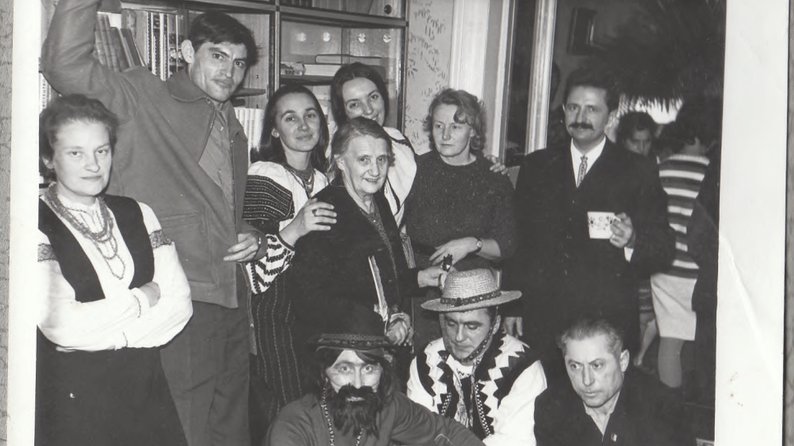
In January 1972, the Soviet punitive system in the Ukrainian SSR launched a large-scale repressive campaign that went down in history as Operation “Block.” It became one of the most tragic chapters in the fate of the Ukrainian intelligentsia in the second half of the 20th century and marked the beginning of the so-called “freeze,” which lasted for nearly two decades.
These events irrevocably divided the lives of the Sixtiers generation into “before” and “after” and effectively put an end to the semi-legal cultural and human rights movement in Ukraine. The formal pretext for the crackdown was the arrest in December 1971 of Belgian student Yaroslav Dobosh, whom Soviet authorities accused of ties to the Organization of Ukrainian Nationalists.
The first wave of mass arrests took place between January 12 and 14, 1972. During the Christmas holidays, KGB officers carried out searches and detentions in the homes of human rights activists, poets, artists, historians, and publicists in Kyiv, Lviv, and other cities. The aim of the operation was the complete suppression of the dissident movement and the intimidation of the intellectual community.
Among those arrested were leading figures of Ukraine’s cultural and moral elite: Vasyl Stus, Viacheslav Chornovil, Yevhen Sverstiuk, Ivan Svitlychnyi, Ivan Dziuba, Stefania Shabatura, Leonid Plyushch, and many others. For most of them, this marked the beginning of many years in labor camps and internal exile.
The essays of Ivan Dziuba, the poetry of Vasyl Stus, and the samizdat journal Ukrainian Herald edited by Viacheslav Chornovil were read by thousands, while information about the repression increasingly broke through the Iron Curtain. Even the nonviolent, cultural resistance of the Sixtiers was perceived by Soviet authorities as a threat, with the pursuit of native language, history, and culture labeled as “Ukrainian bourgeois nationalism.”
The trials confronted the intelligentsia with a brutal choice: prison, public repentance, or enforced silence. Poet and human rights defender Vasyl Stus described this period as an exam of human dignity. He rejected any compromise with the KGB and died in 1985 in the Kuchino labor camp in the Perm region, one of the symbols of the Soviet repressive system.
According to the intentions of the central authorities in Moscow, Operation “Block” was meant to crush the Ukrainian idea once and for all and destroy the national movement. In practice, however, it became a trial that hardened society and turned into a powerful source of historical memory and resistance — one whose significance is still felt today.