



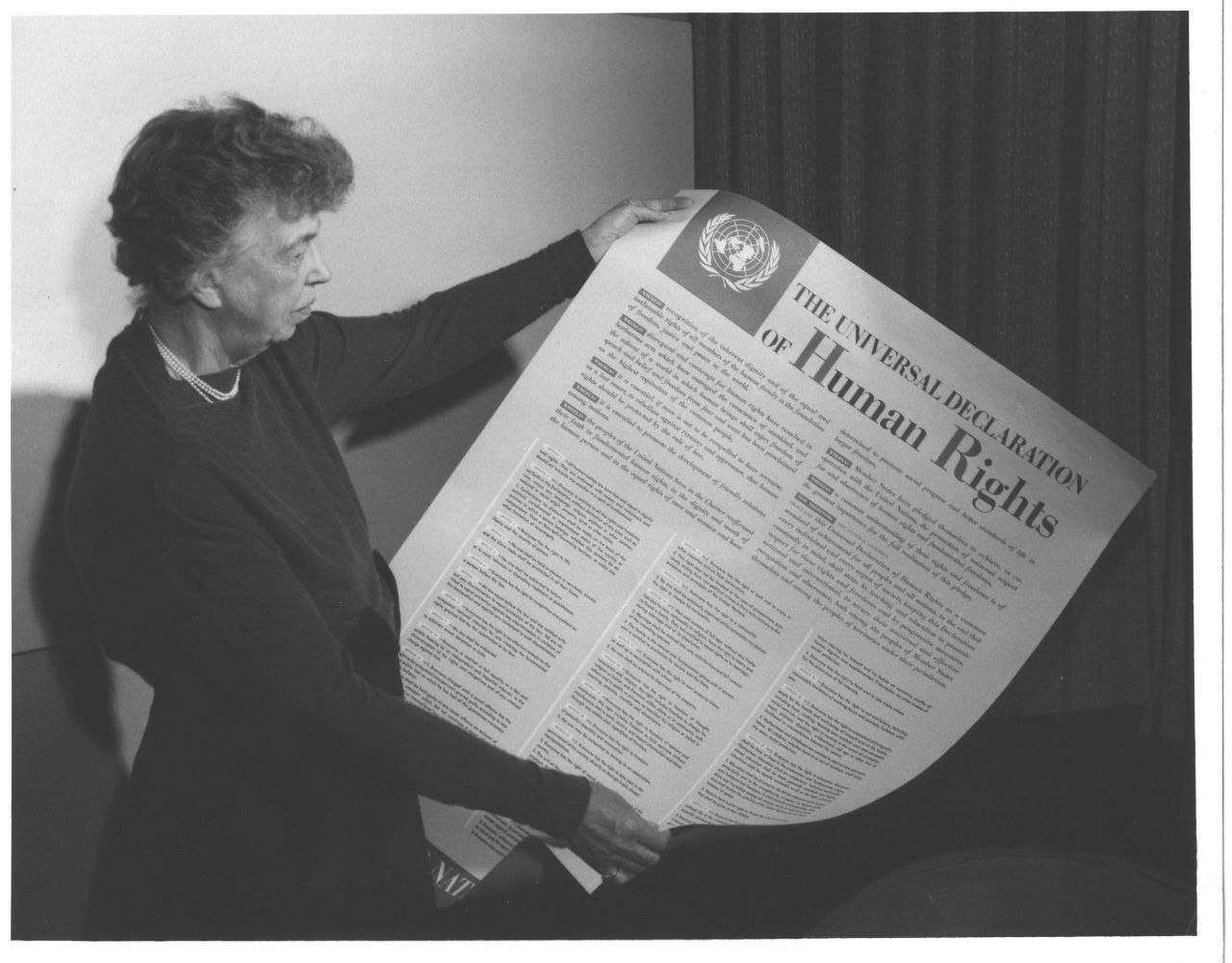
On December 10, 1948, the Universal Declaration of Human Rights was adopted in Paris, establishing fundamental rights for every individual: the right to life, liberty, and personal security; protection from torture and arbitrary detention; freedom of thought, conscience, and expression; and the right to participate in government. The document became a global standard and remains a cornerstone for human rights protection worldwide.
Even 80 years later, human rights continue to be violated. In modern Russia, there are ongoing restrictions on freedom of speech, arbitrary arrests, and pressure on activists, journalists, and civil society organizations. International human rights groups regularly report such violations, emphasizing the importance of upholding the principles enshrined in the Declaration.
History offers lessons on the importance of these norms. For example, Ukrainian dissident Vyacheslav Chornovil, while exiled in the Yakut ASSR, sent a letter to the Prosecutor General of the USSR in 1978, on the 30th anniversary of the Declaration, demanding that prisoners be allowed access to the Universal Declaration of Human Rights and the International Covenant on Civil and Political Rights, which had been ratified by the USSR. During a search, authorities confiscated his notebook containing these documents, telling him that “possessing the Declaration is not allowed.”
On the 80th anniversary of the Declaration, its principles remain crucial: freedom, equality, and the protection of human rights are essential for a just society, and the examples of past human rights defenders remind us that defending these rights requires courage and persistence.