



An increasing number of Russian citizens who fled the country for political reasons and sought asylum in the United States and the European Union are facing persecution after being deported back to Russia. At least four people have been arrested following deportation, according to an investigation by the independent outlet Verstka, highlighting a sharp deterioration in protection for Russian asylum seekers in the West.
Previously reported cases include Artem Vovchenko and Leonid Melekhin, both deported from the United States and subsequently detained by Russian authorities. More recently, Verstka reported that Pavel Kuzmichyov, 31, was deported from Finland and arrested shortly after his return. Another deported Russian, whose name has not been disclosed, was also detained.
According to the investigation, some returnees were threatened, issued military draft notices, interrogated by security services, and pressured to sign non-disclosure agreements or documents pledging cooperation with Russia’s Federal Security Service (FSB).
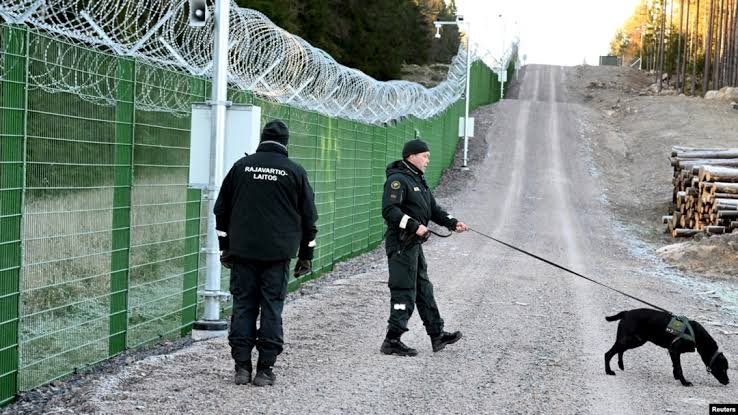
Kuzmichyov was deported from Finland in early September 2025 and later placed in pre-trial detention in the Russian city of Vyborg. Criminal proceedings had previously been initiated against him. The reasons why Finnish authorities enforced a direct deportation to Russia remain unclear, as such cases are considered rare. Typically, rejected asylum seekers are given time to leave independently and are not required to return to Russia.
Verstka notes that, in recent years, EU countries approved on average around 27% of asylum applications from Russian nationals. In the United States, approval rates reached up to 80% before 2024, but the situation changed dramatically from mid-2024 onward. By 2025, Russian applicants were increasingly denied asylum, and deportations became widespread. Human rights advocates report that some deportees were questioned by the FSB upon arrival, with at least two arrested immediately.
Rights groups warn that the situation is unlikely to improve in 2026. According to Verstka, asylum seekers are now advised to exercise extreme caution when applying for protection in the Czech Republic, Bulgaria, Sweden, Croatia, the Netherlands, and the United States. Low approval rates are attributed not only to stricter migration policies but also to growing difficulties in proving political persecution or security risks — including those linked to anti-war views or LGBTQ+ identity.
The U.S. is sending Russian asylum seekers back to the country persecuting them. Meduza spoke with an activist trying to save them from deportation