



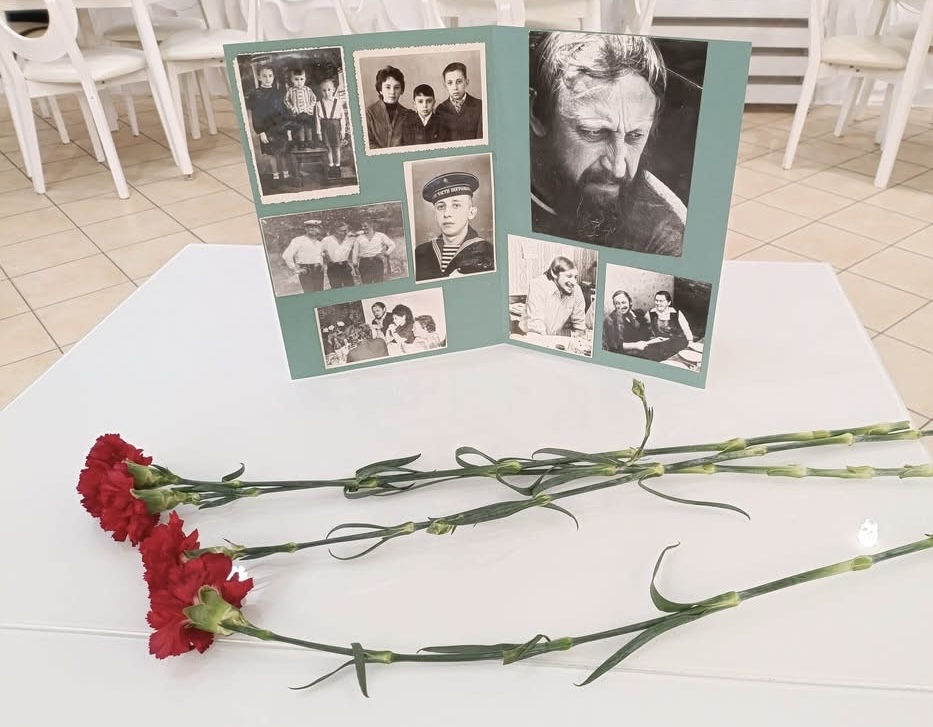
On January 26, evenings in memory of Viktor Alexandrovich Shmyrov were held — a Russian historian, museum professional, public figure, and one of the bravest people of his time.
Viktor Shmyrov was the founder and director of the Memorial Center of the History of Political Repressions “Perm-36”. In 1992, he led a small group of enthusiasts to create a museum on the site of the former political prison colony ВС-389/36 in the village of Kuchino, Chusovoy district. “Perm-36” became not only a space of remembrance but also a living platform for public dialogue.
Shmyrov was among the founders of the Perm branch of the international historical, educational, and human rights society “Memorial”, as well as numerous other significant civic initiatives. He had a unique ability to bring together people of different generations and perspectives, turning discussions about repression into conversations about the future — honest, open, and necessary.
All of Viktor Shmyrov’s initiatives were primarily aimed at youth. The civil song festival “Pilorama”, conceived as part of the museum space, quickly grew beyond a cultural event into an international civic forum — a symbol of free and meaningful dialogue about memory, responsibility, and human dignity.
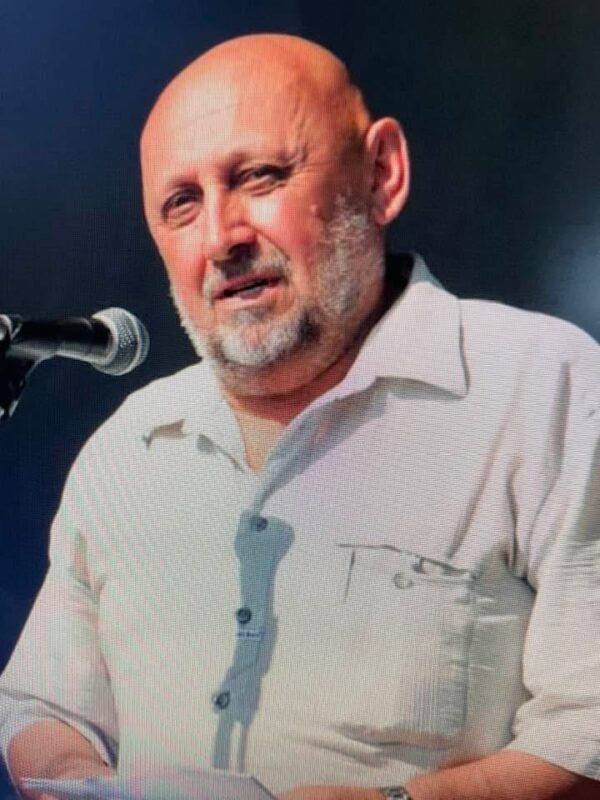
In Perm, Shmyrov’s memory brought together friends from both professional and civic communities, while in other cities it united like-minded colleagues and partners. Across the world, people gathered, connected by his name and work.
The Perm evening of remembrance was actively supported by a local humanitarian university, which organized the event. For many, it was not just an evening of memories but a conversation about a Teacher — a man who could speak about a tragic past not in the language of fear, but in the language of hope, responsibility, and the future.
Attendees included his family, friends, classmates, students, colleagues, archaeologists, archivists, political scientists, journalists, and fellow civic activists. The absence of representatives from the museum community was noted as a sad reflection of the current state of the museum sector in Russia.
Against this backdrop, the new space of remembrance created by Viktor Shmyrov — no longer an offline museum, but an online institution, the Virtual Museum “Perm-36” — continues to live and develop despite all obstacles.
In Cologne, the evening of remembrance was held among Shmyrov’s closest friends and partners. Similar gatherings took place in other cities and countries where his students and supporters live. Viktor Alexandrovich’s legacy has long extended far beyond Perm and Russia.
These evenings are not an end but a continuation. Viktor Shmyrov’s work is a bridge between a tragic past and a possible bright future for Russia. As long as this bridge is needed, and as long as people walk across it, Viktor Alexandrovich Shmyrov will remain alive in memory and deed.