



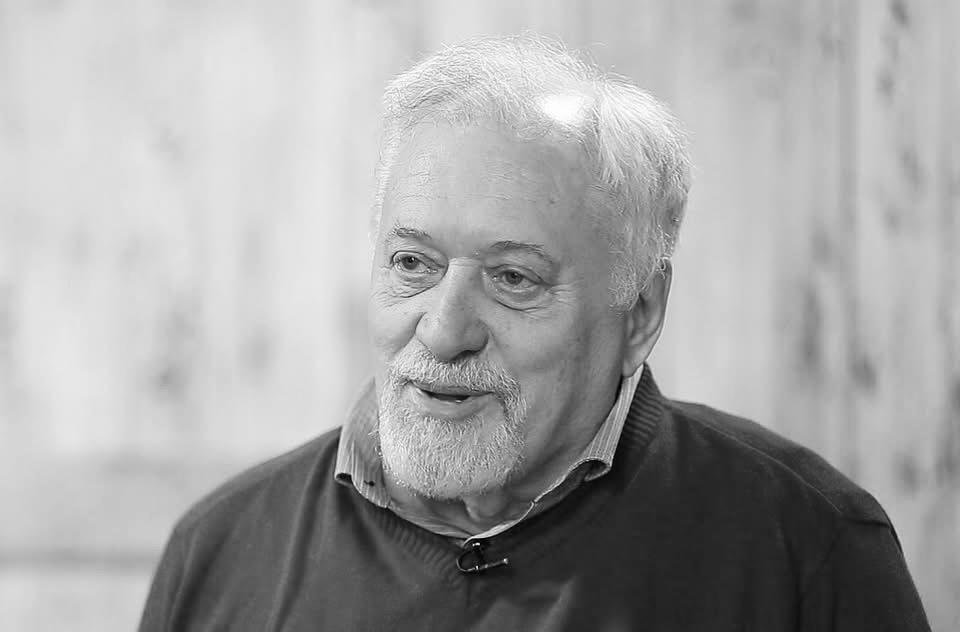
Sad news has come from Ukraine: Semyon Fishelevich Gluzman has died just short of his 80th birthday. He was a psychiatrist, writer, human rights defender, one of the earliest and most consistent critics of punitive psychiatry in the Soviet Union, and a former political prisoner of the Perm labor camps.
Semyon Gluzman was born on 30 September 1946 in Kyiv into a family of physicians. He graduated from the Kyiv Medical Institute and specialized in psychiatry. At the very beginning of his professional career, he consciously refused to work in a special psychiatric hospital, fully aware that psychiatry was being used by the Soviet state as an instrument of political repression.
In 1971, an anonymous text titled “A Correspondence Psychiatric Evaluation in the Case of General Pyotr Grigorenko” appeared in samizdat. Based on an analysis of official medical reports, it demonstrated that there were no grounds to consider General Grigorenko mentally ill. This text became a landmark example of professional resistance to the system. Its authorship was attributed to Gluzman — with good reason.
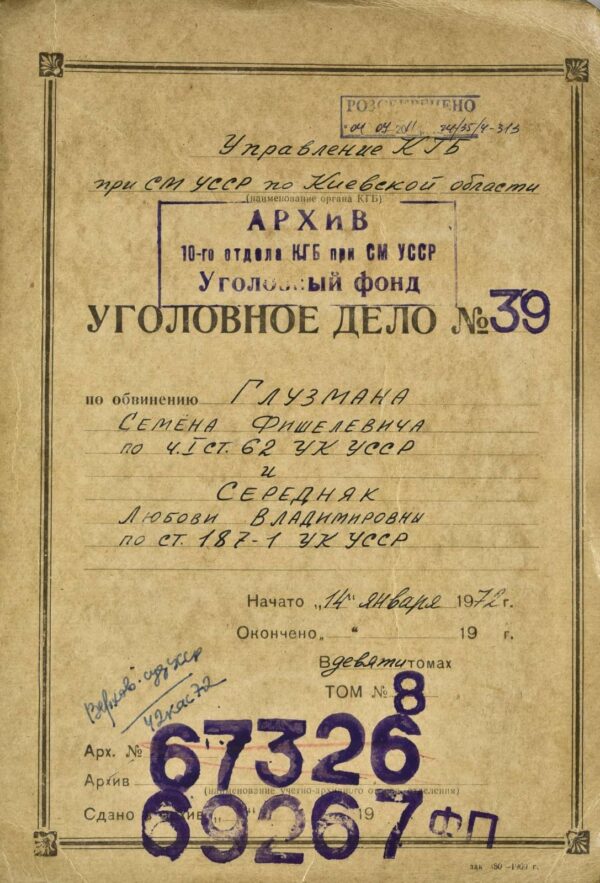
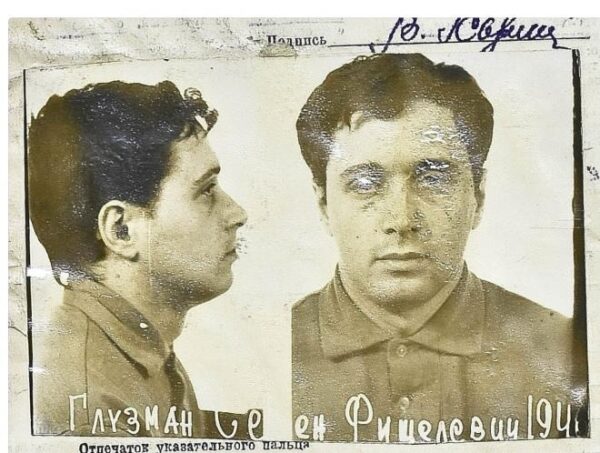
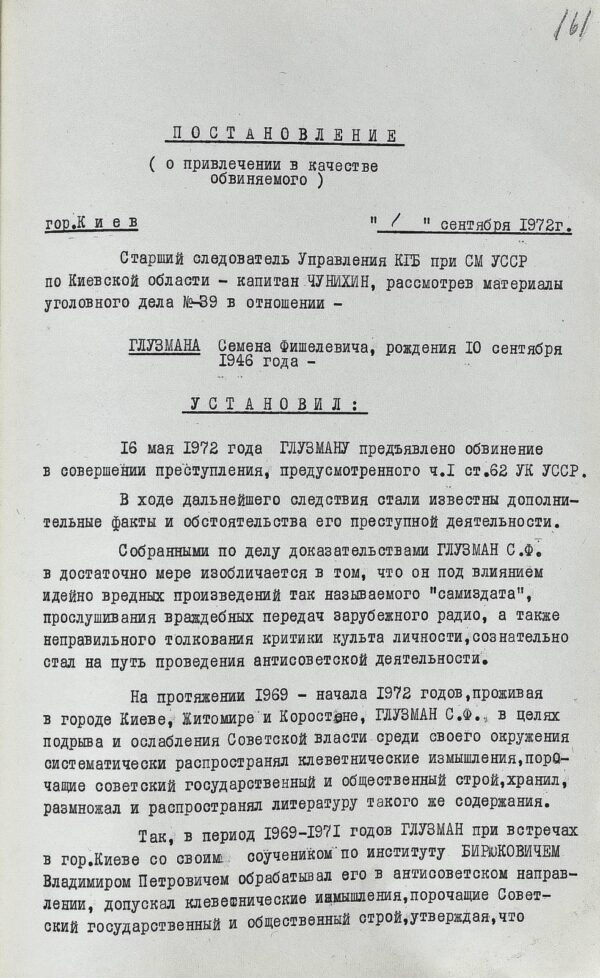
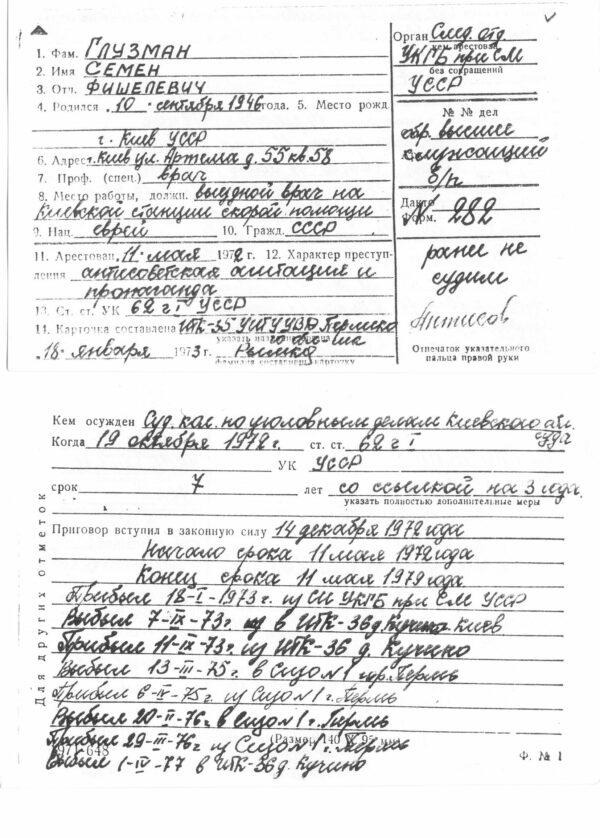
In May 1972, Semyon Gluzman was arrested. Despite the absence of material evidence, in October of the same year the court sentenced him to seven years in a strict-regime labor camp and three years of internal exile. He served his sentence in political camps in the Perm region, including Perm-36.
Below we publish unique materials from Semyon Gluzman’s criminal case.
 While in imprisonment, Gluzman consistently fought for the rights of political prisoners, took part in hunger strikes, and passed information about conditions in the camps to the outside world. There he wrote A Manual on Psychiatry for Dissidents — a unique text exposing the mechanisms of repressive psychiatry and helping victims of the system survive.
Gluzman was publicly defended by Andrei Sakharov, Pyotr Grigorenko, and Vladimir Bukovsky. In 1975, with his participation, the International Committee Against the Abuse of Psychiatry was established. Even under conditions of imprisonment, prison, and exile, he continued his professional and human rights work, repeatedly facing pressure and isolation.
After his release, Semyon Gluzman became one of the key figures in Ukraine’s human rights and professional psychiatric communities. He headed the Ukrainian-American Bureau for Human Rights Protection, served as executive secretary of the Psychiatric Association of Ukraine, founded a rehabilitation center for victims of war and totalitarian regimes, and played a major role in integrating Ukrainian psychiatry into the international professional community.
Today, Ukraine is in mourning. Friends, students, and colleagues remember Semyon Gluzman not only as an outstanding psychiatrist, an uncompromising human rights defender, and a gifted writer, but also as a person of crystal-clear integrity, deep principle, and true moral courage.
In lasting memory of Semyon Fishelevich Gluzman — a model of professional integrity, personal courage, and resistance to state violence.