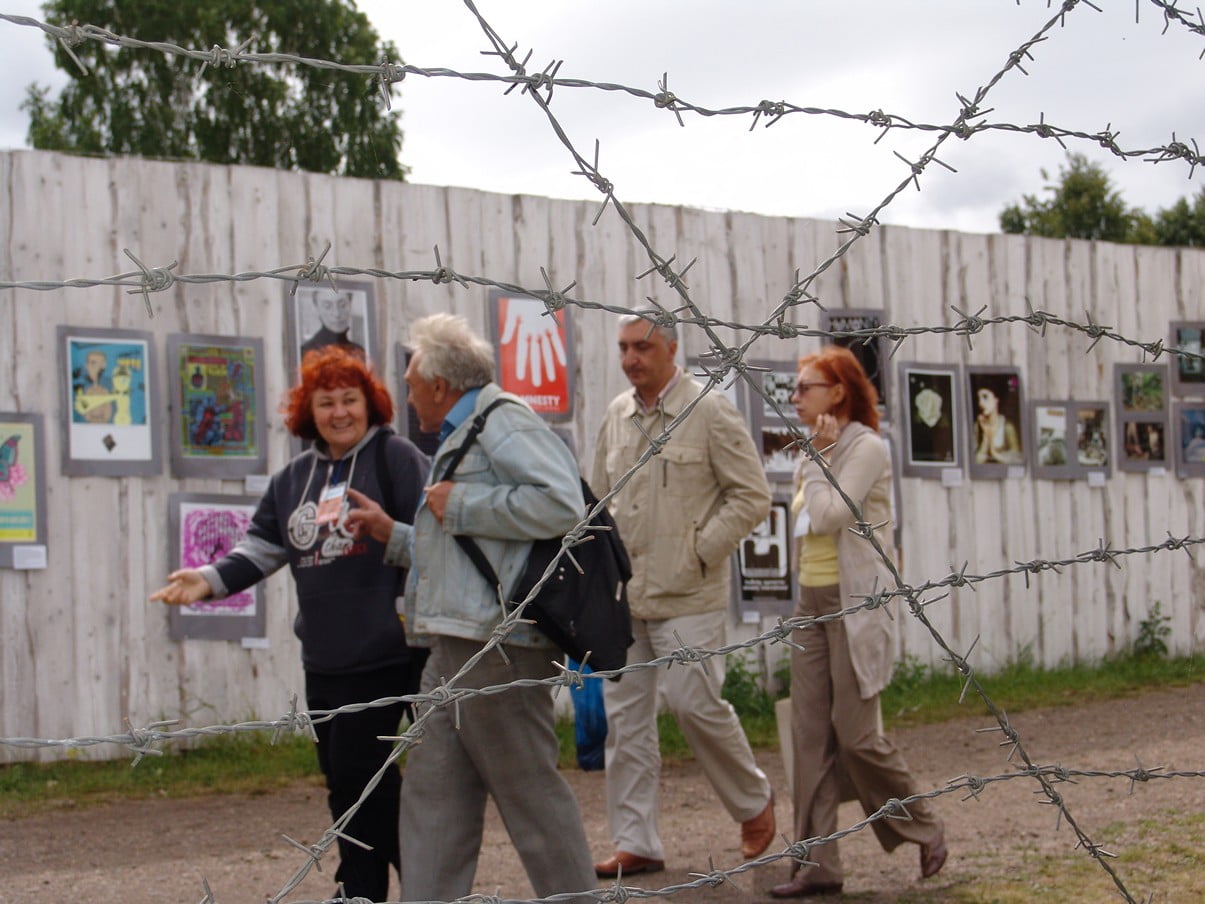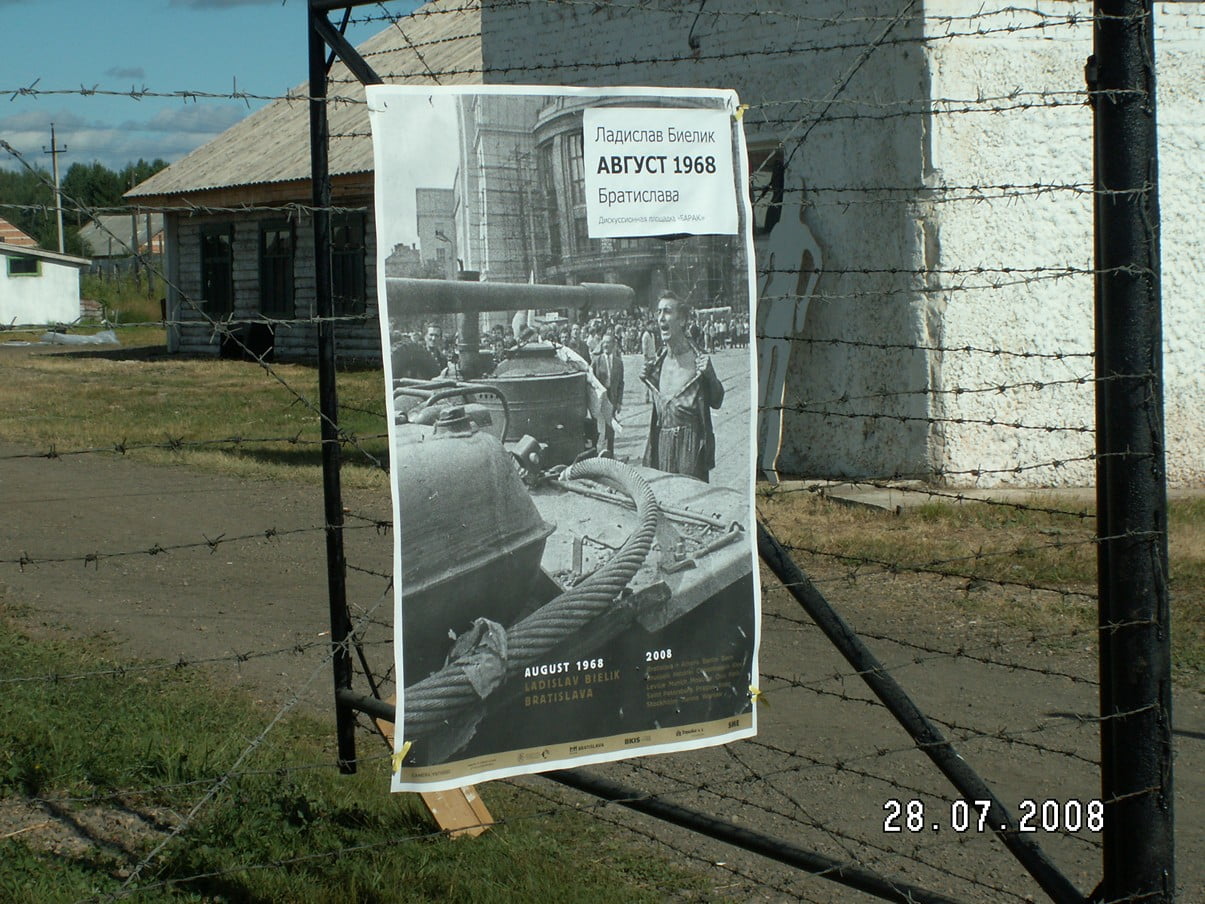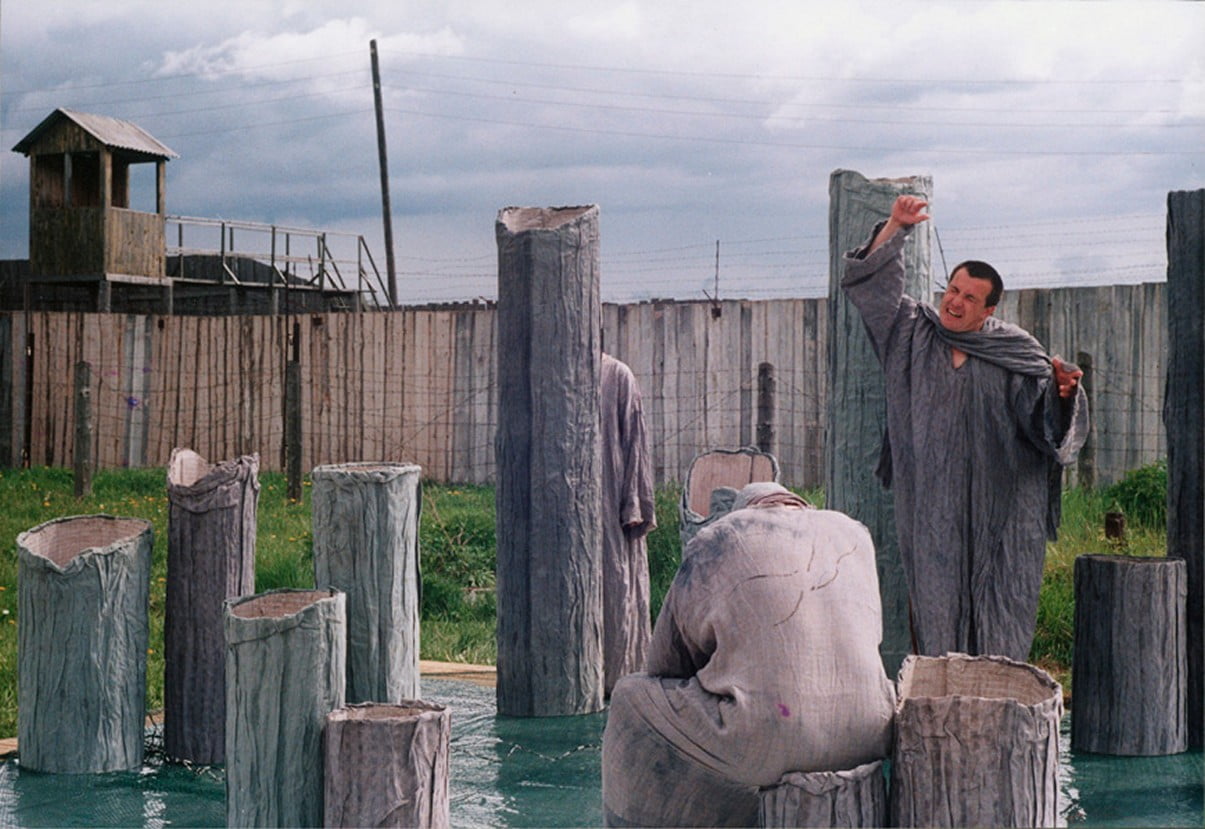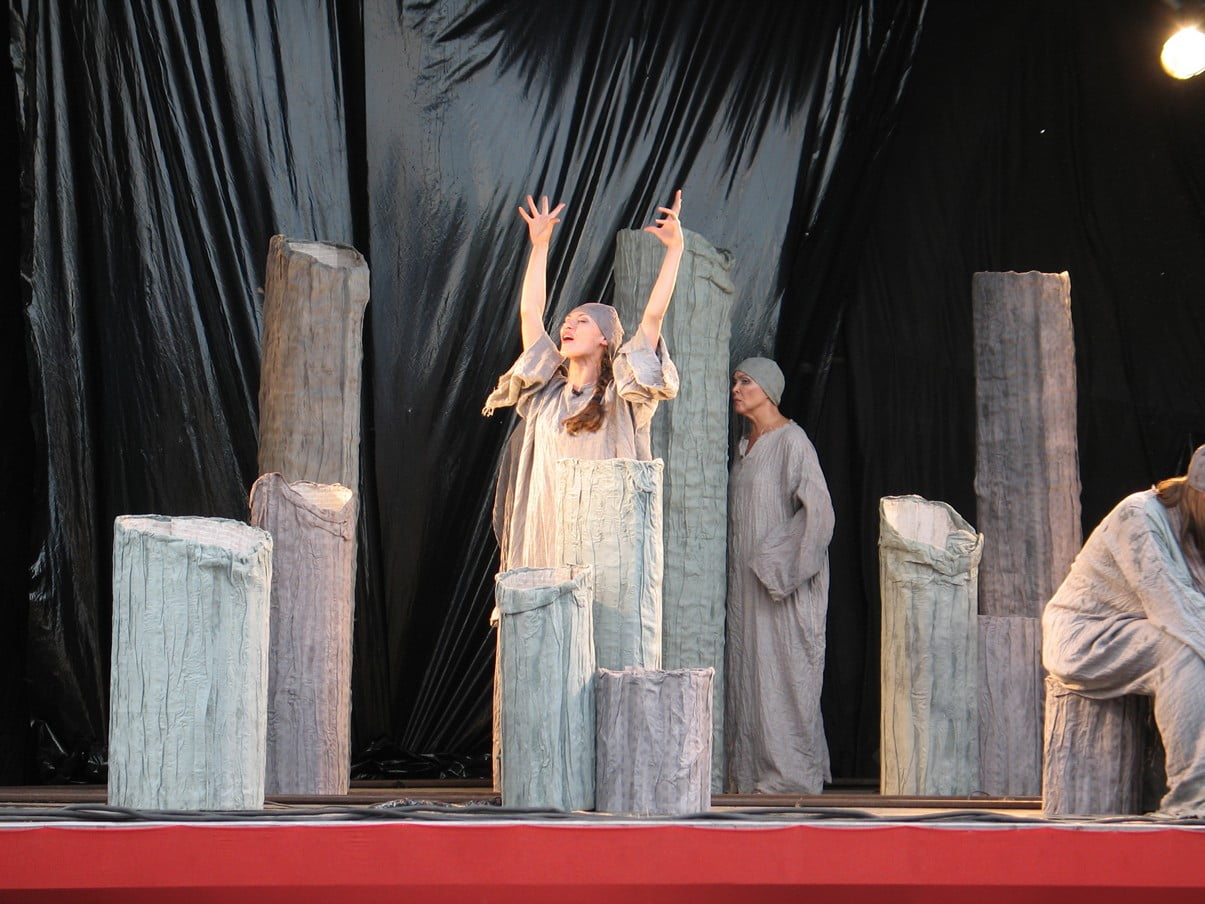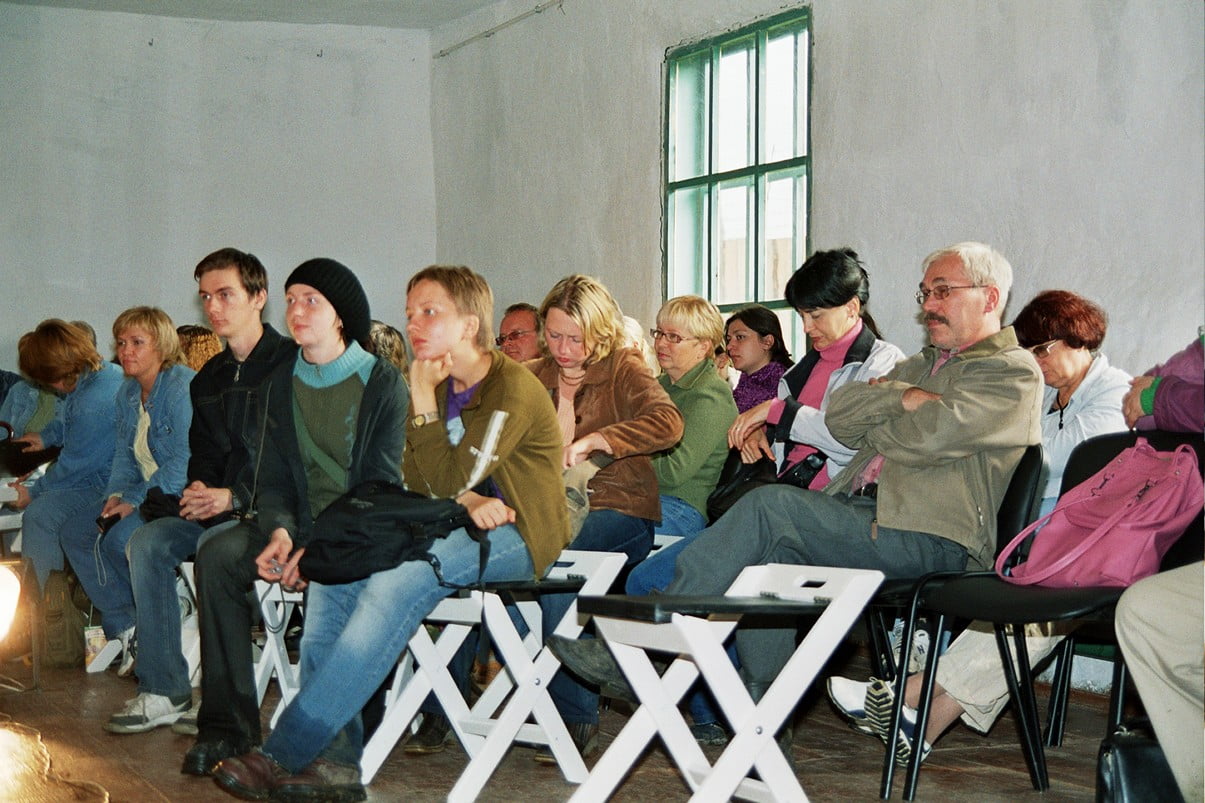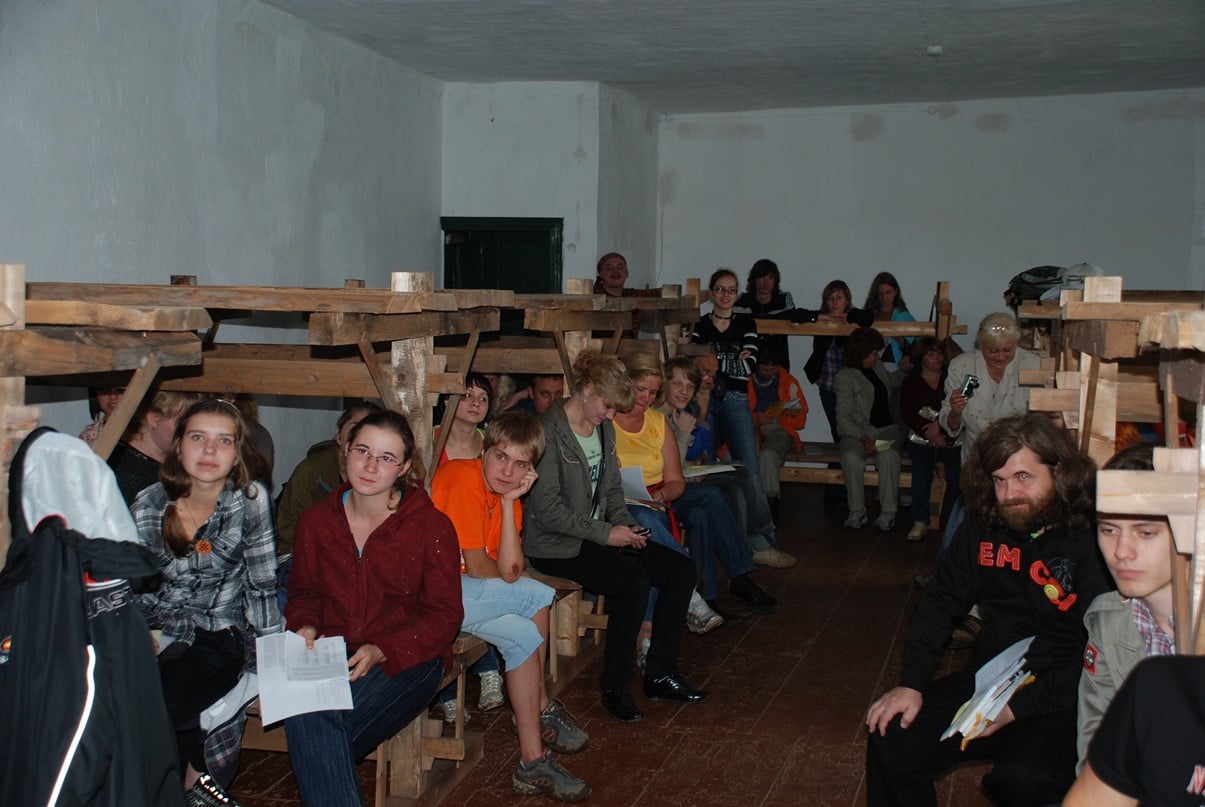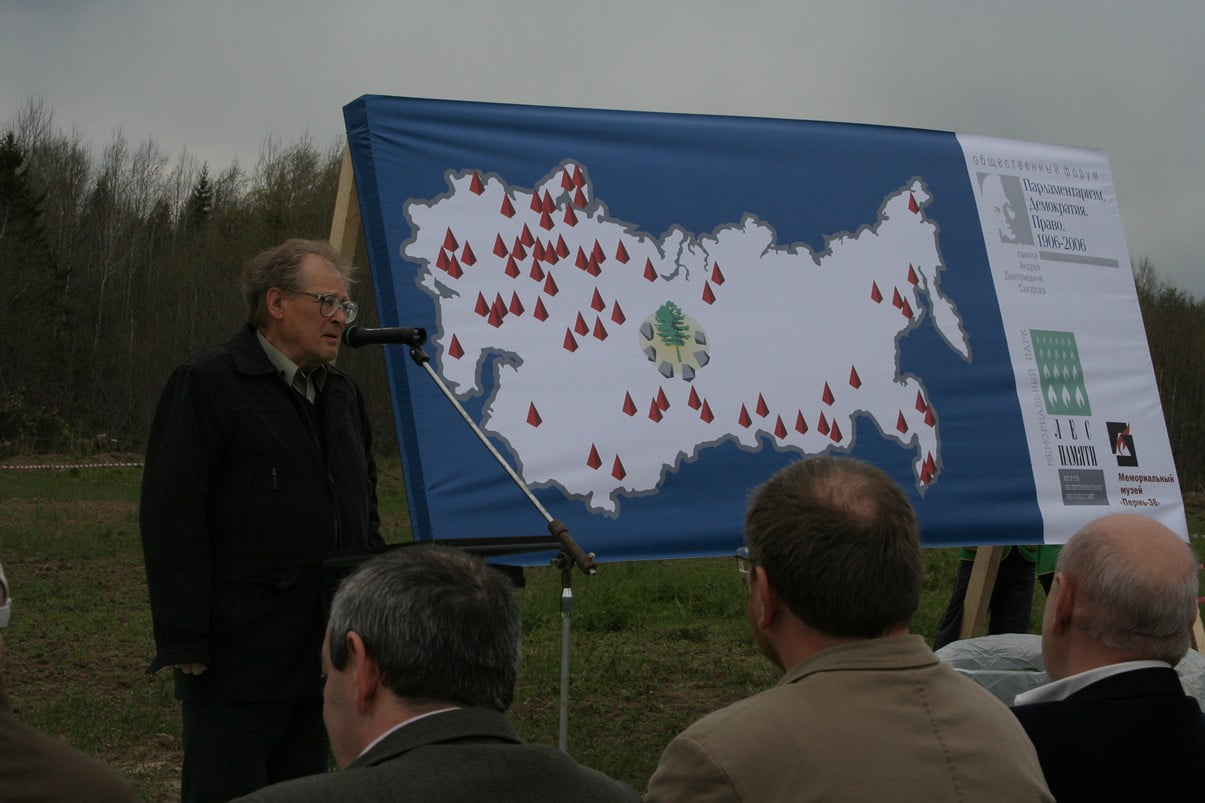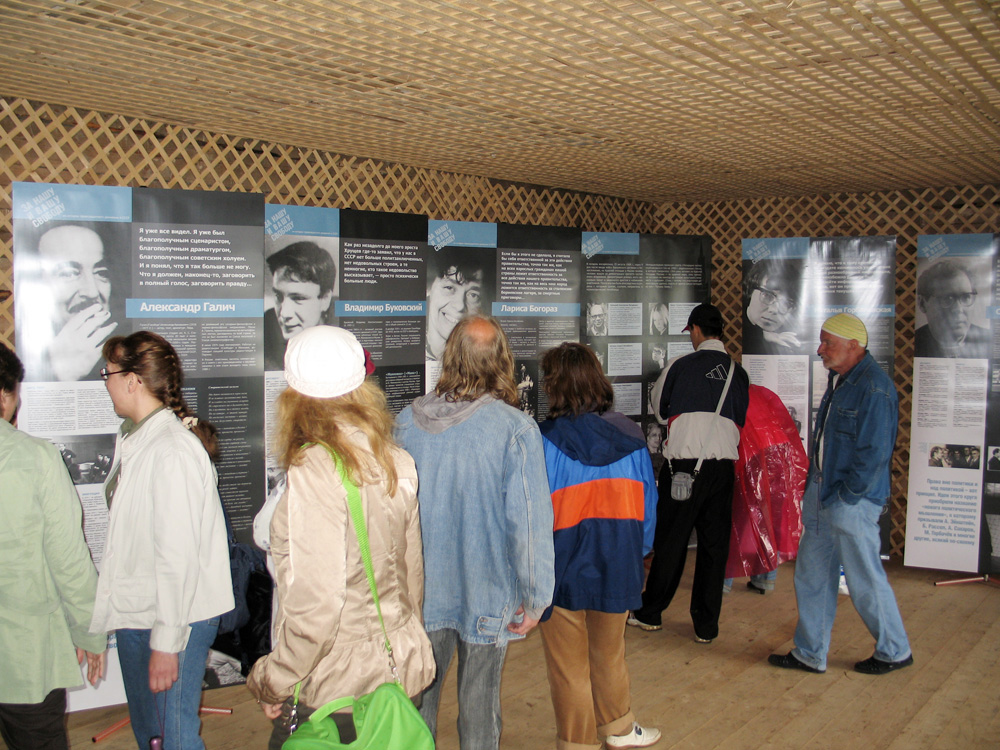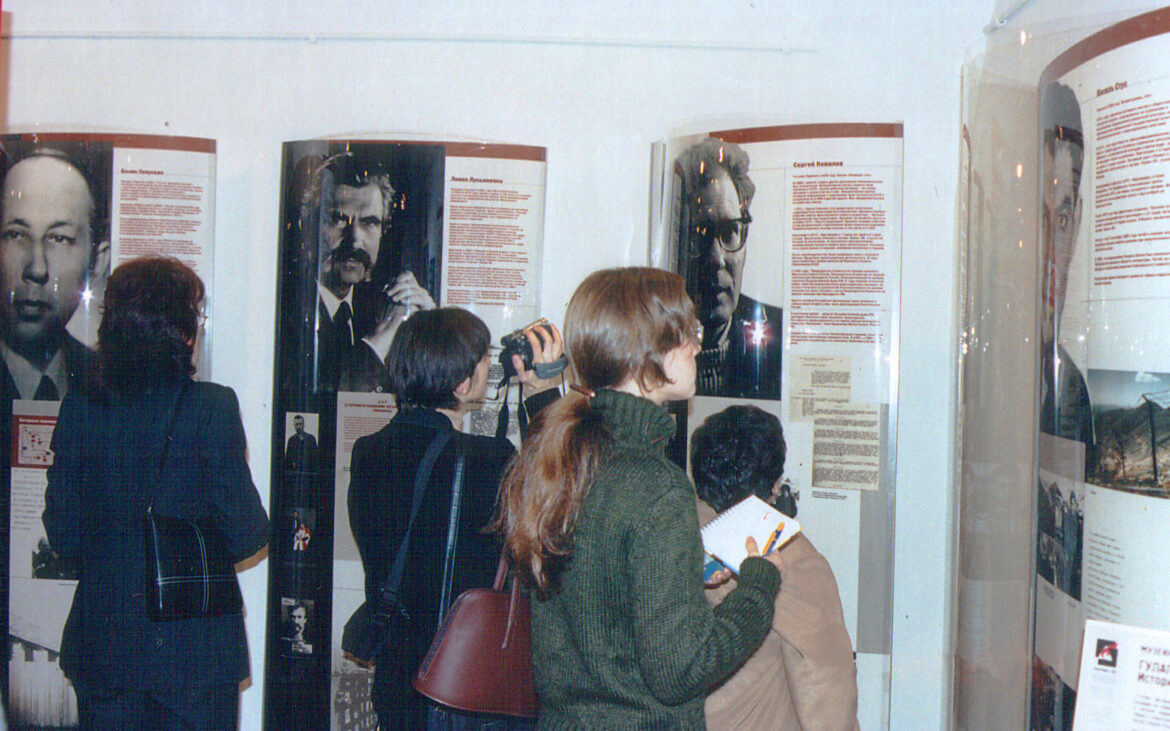



The ‘GULAG. The History of One Camp’ booth exhibition was set up in 2003 on proposals from the RF State Duma and the US Congress in Russian and in English. It was dedicated to Perm-36 camp, and comprised not only information on the main stages of its history but also personal booths dedicated to certain prisoners. The exhibition was presented in English in the Senate building of the US Congress, Russian-language presentation of the exhibition in the RF State Duma was cancelled because of the protests from CPRF and displayed as a part of ‘Lessons of History in the GULAG Museum’, a combined exhibition by Perm-Memorial Museum in the State Central Museum of Contemporary History of Russia (the former Museum of the Revolution) in Tverskoy Avenue, Moscow.
Apart from the Russian-language and the English-language versions, the exhibition has been, over the years, prepared in Italian, in French and in Lithuanian and displayed in Midwest US colleges, Northern Italian universities, in Lithuanian and French cities and museums.
HISTORY OF THE MUSEUM
The ‘GULAG: History, Labor, and Everyday Life’ exhibit was constructed in 2003 by Yuri Reshetnikov as a full-scale mockup of a fragment of the museum’s master exhibit, and temporarily accommodated in the living hut of the low-security area of the former Perm-36 camp. It is based on the materials the museum staff had collected in archives and during field expeditions. It is being displayed up to the present.
The master exhibit on the same topic and in the same stylistics was to be constructed in a separate, purpose-built building in 2014 through 2016 involving Ralph Appelbaum Associates Incorporated, one of the world’s best-known museum design studios which created over two hundred museums and museum exhibits across the world, including museums such as the Holocaust Museum, the National Immigration Museum and the National US Constitution Museum, the Hiroshima Peace Museum, the Memorial Prison Museum in Robin Island (RSA), to name a few.
‘The Repressed Poles’ was a booth exhibition that was set up in 2002 as proposed by the Polish Cultural Center, and was dedicated to the Poles who were repressed in the Urals: shot or imprisoned in GULAG camps during the Great Terror 1937–1938, or deported to forced settlements of Molotov Region, or exiled, and the conditions they labored and lived in.
The exhibition included a location sketch map of deported Poles’ forced settlements and personal data of some of them.
Design layout of the exhibition
Download the design layout of the exhibition (PDF, CDR)
‘The people and the Authorities in Russia in X cent. through XX cent.’
‘The people and the Authorities in Russia in X cent. through XX cent.’ mobile exhibition was constructed in 2000. It follows the strip-cartoon stylistics, and tells about evolutions of Russian governmental and political system ‘from Gostomysl’ to Perestroika. It included an interactive game program and guidelines. It was especially popular with students, and mostly displayed in the region’s high schools where its materials were used in lessons and classes of humanitarian teachers’ methodological associations. A handout covering complete commented contents of the exhibition was published by the museum.
Fragments of the exhibition
‘The people and the Authorities in Russia in X cent. through XX cent.’ handout
The exhibition guidelines
The ‘Maximum-Security Prisoners’ exhibit was constructed in the maximum-security hut of Perm-36 camp in 1998. This exhibition comprised prisoners’ of conscience personal showcases which accommodated the curricula vitae, the photos, copies of the prisoners’ records, copies of the documents, personal effects, copies of publications, et al., to represent not only the period of arrest and imprisonment but also a general outline of every prisoner’s life.
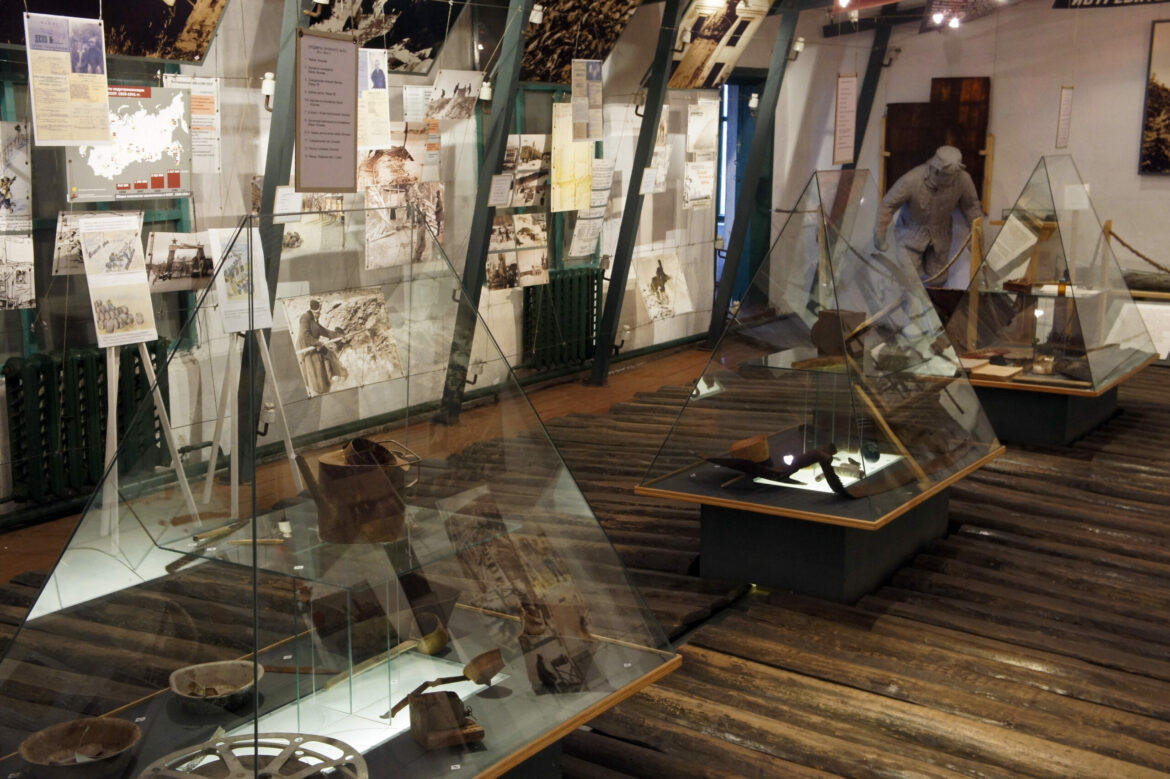
This division mostly accommodated dissidents which had already been imprisoned on charges of especially dangerous political crimes: anti-Soviet agitation and propaganda, and reconvicted on the same charges, and therefore adjudged to be especially dangerous recidivists.
The division also accommodated ‘supermax’ prisoners of state who received capital sentences on charges of high treason but were exonerated. Most of them were convicted of police service during World War II. The exhibit only represented them by name, their photos in the common showcase having been replaced with black blanks.
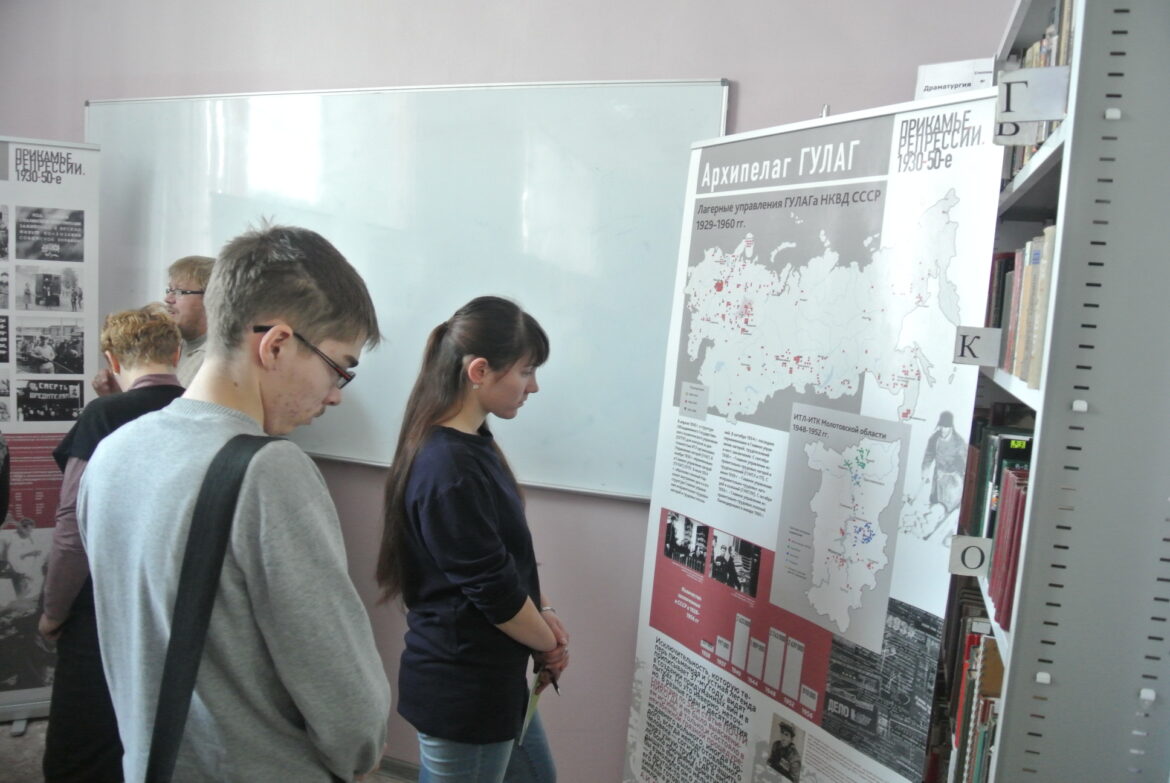
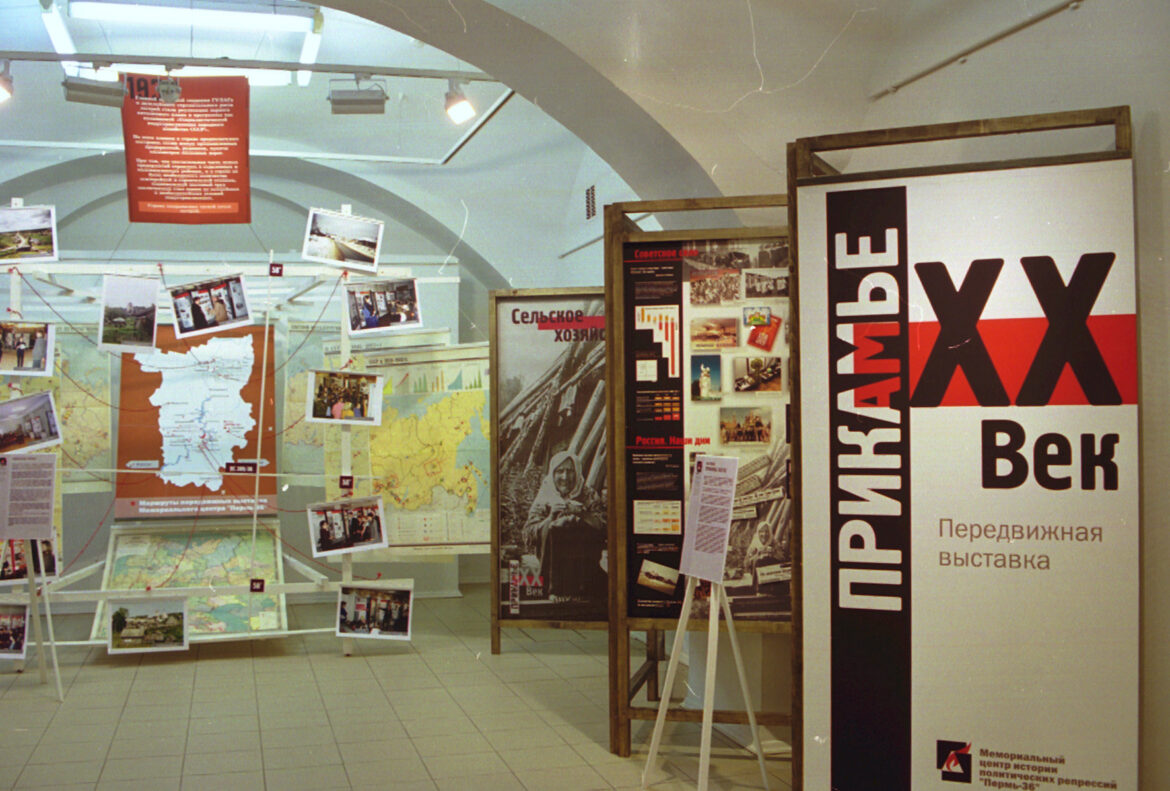
‘Prikamye. The Repression. The 1930s through 1950s’ mobile booth exhibition was set up in 1997.
The exhibition is dedicated to Stalin-era political repression in Perm Territory. It was actively displayed by the museum’s mobile exhibition service in all cities and in most villages of Perm Territory. The exhibition included interactive booths with materials on the repression history which were collected in the territories where it was displayed.
Photo of the exhibition
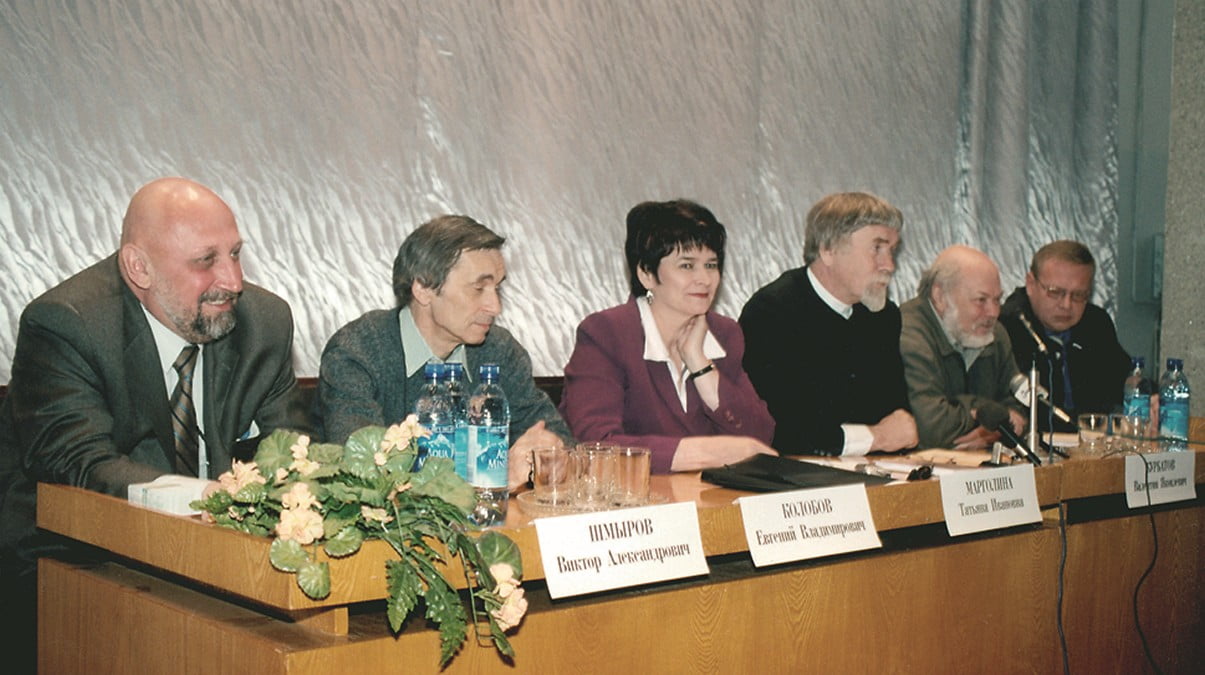
Ural-GULAG Research Center was established in 1992 in order to discover and collect materials on history of political repression and history of Perm political camps. During its two-year existence, the center held two academic workshops in 1993 and 1994 which involved historians of political repression in USSR from various cities of the Russian Federation and Ukraine, former political prisoners from the RF, Ukraine, Lithuania and Estonia, members of the International, St-Petersburg and Perm departments of Memorial, members of the Association of Victims of Political Repression, Russian and foreign guests.
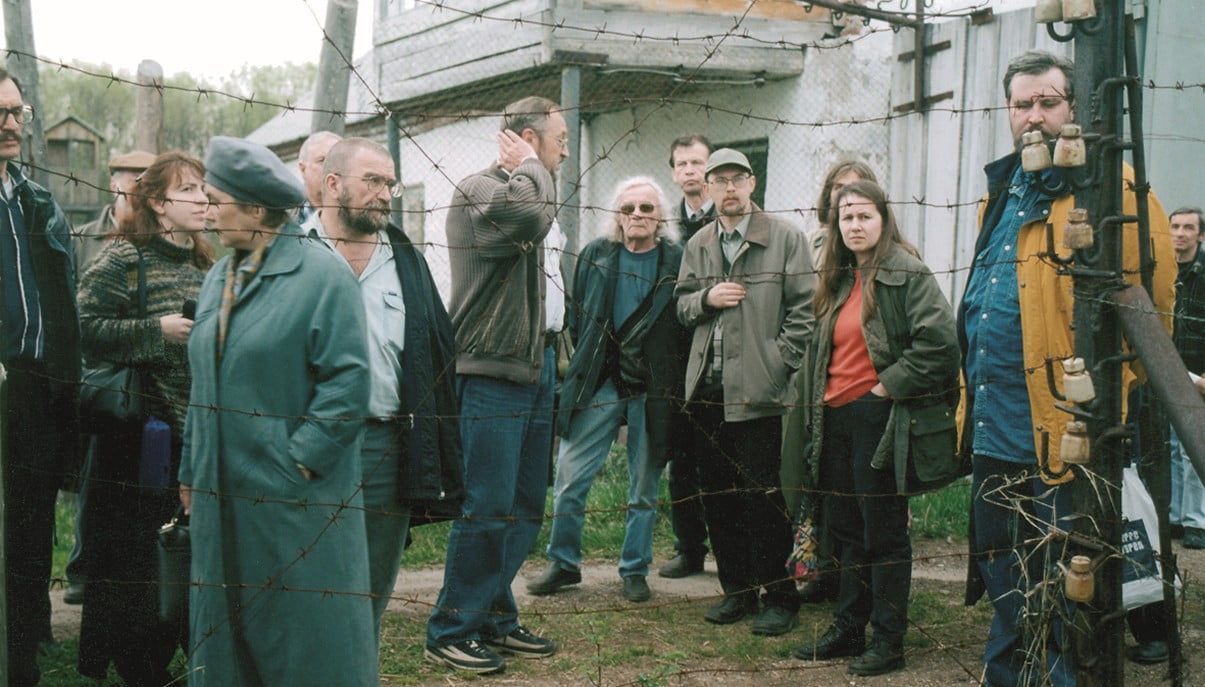
Participants of both workshops visited the former Perm-36 camp, and there discussed prospects and projects of preservation, partial restoration, and museumization of this camp’s buildings and structures. Proceedings of both workshops were published in dedicated collected books.
During the two years, the center’s staff, partners and volunteers:
Compiled a database of available materials on history of political repression in central and Perm public archives.
Discovered a package of materials on history of Perm political camps in the archives and the data center (DC) of the MDIA for Perm Region;
Copied the records of some prisoners of Perm political camps at the DC of the DIA.
Interviewed several tens of former prisoners of Perm political camps.
Enquired the out-of-town workshop participants about any materials on history of political repression in former GULAG camps and about road construction involving prisoners which were available to them, as well as about material state of the buildings and structures (most attention was paid to isolated and sparsely populated regions of the country, including Kolyma, Vorkuta, West Kazakhstan, and the routes of the Dead Road).
Made sure that the surviving buildings and structures of the 1940s and early 1950s in Perm-36 camp are the only restorable and exhibitable Stalin-era GULAG-era camp complex.
Developed the first projects for restoration and repair thereof, as well as for using these as the base for the Memorial Museum of History of Political Repression, held the first discussions of this project in Memorial International Society.
In 1994, when Perm-36 Memorial Complex of History of Political Repression and Totalitarianism (Limited Liability Partnership) was established, Ural-GULAG Research Center joined it as its research information division.